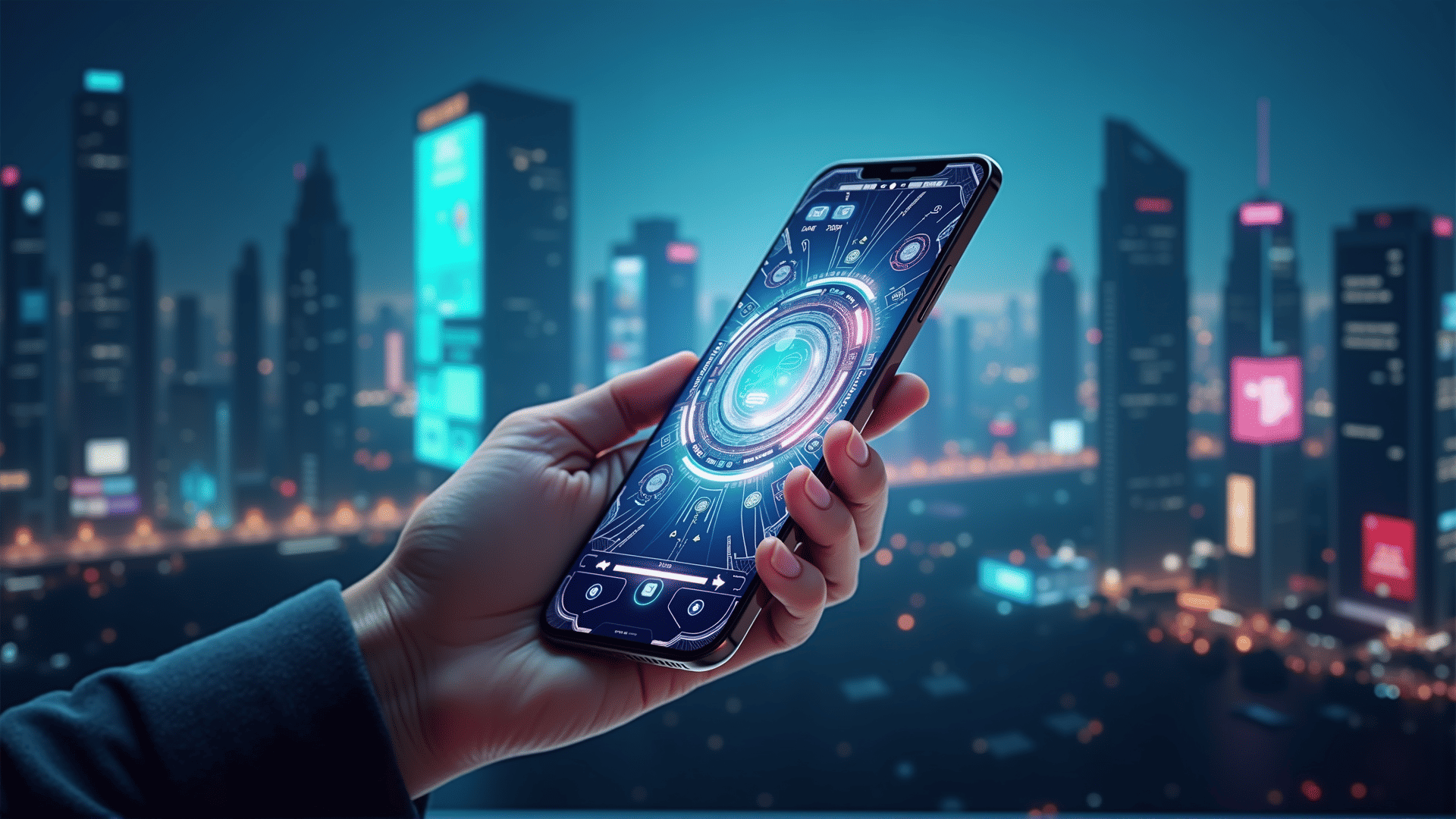
As we look towards 2026, the mobile application programming industry is poised to experience transformative changes driven by rapid technological advancements and evolving consumer expectations. Here, we predict some key trends that will shape the landscape of mobile app development and explore how emerging technologies will alter the way we develop, distribute, and interact with mobile applications.
1. Proliferation of 5G and Beyond:
By 2026, 5G networks will have reached maturity, becoming a ubiquitous part of our mobile ecosystems. This high-speed connectivity will empower developers to create apps that take full advantage of lower latency, leading to smoother experiences in gaming, streaming, and augmented reality (AR). The widespread availability of 5G will also pave the way for the adoption of 6G innovations, which are projected to begin taking shape around this time, further enhancing the potential for app developers to leverage even more robust connectivity.
2. Rise of the Internet of Things (IoT):
As IoT devices proliferate, from smart home appliances to wearable health monitors, mobile applications will be at the center of integrating and managing these systems. Developers will increasingly create apps that serve as centralized hubs for controlling diverse IoT ecosystems, focusing on seamless interoperability and user-friendly interfaces. Improved security measures will also be paramount as more consumers entrust sensitive data to interconnected devices.
3. AI and Machine Learning Integration:
Artificial Intelligence (AI) and Machine Learning (ML) will be deeply embedded in mobile applications, transforming everything from user experiences to back-end processes. Apps will leverage AI to deliver personalized experiences, adaptive learning, and real-time decision-making. Voice assistants, chatbots, and advanced image recognition will become standard features, offering users smarter and more intuitive interactions.
4. Augmented Reality (AR) and Virtual Reality (VR) Expansion:
By 2026, AR and VR will likely move beyond niche applications to become mainstream features in various types of apps. Mobile devices will support increasingly immersive experiences, blending physical and digital worlds for purposes such as shopping, education, and gaming. Developers will experiment with AR and VR to create innovative solutions that enhance user engagement and provide new opportunities for storytelling and visualization.
5. Greater Emphasis on Privacy and Security:
As mobile applications continue to collect and process vast amounts of data, privacy and security will become even more critical concerns. Across the globe, stricter regulations and growing consumer awareness will compel developers to implement robust security protocols and transparent data usage policies. End-to-end encryption, zero-trust architecture, and decentralized data storage will be key elements in safeguarding user information.
6. Edge Computing Adoption:
The shift towards edge computing will allow mobile apps to process data closer to the user, minimizing latency and reducing dependence on centralized cloud services. This trend will make applications faster and more reliable, especially in areas with sporadic internet connectivity. Edge computing will be essential for real-time data processing needs, enhancing app performance and user satisfaction.
7. Progressive Web Apps (PWAs) and Cross-Platform Development:
By 2026, the lines between web and native apps will continue to blur, with Progressive Web Apps (PWAs) gaining prominence due to their ability to offer app-like experiences directly from the browser. PWAs will provide cost-effective, cross-platform solutions that are easy to maintain and update. Additionally, frameworks such as Flutter and React Native will streamline cross-platform development, allowing developers to reach wider audiences with less effort.
8. Sustainable and Ethical Practices:
Environmental concerns and ethical considerations will increasingly influence how mobile apps are developed. Sustainable coding practices, energy-efficient algorithms, and eco-friendly deployment strategies will come to the forefront as developers aim to minimize the carbon footprint of their applications. Additionally, ethical AI and fair data practices will ensure that apps not only serve users effectively but also contribute to a more equitable digital landscape.
In conclusion, the mobile application programming industry in 2026 will be defined by an intricate web of technological advancements, user expectations, and regulatory evolution. Developers will need to adapt continuously to these changes, embracing innovative tools and methodologies to create apps that not only meet the demands of a digital-first world but also contribute to shaping a more connected, efficient, and ethical future.